Undergraduate degree programs
Find your future at the Fulton Schools

Undergraduate degree programs
Find your future at the Fulton Schools
Why get my engineering degree at ASU?
The Ira A. Fulton Schools of Engineering at ASU is one of the largest and most comprehensive engineering programs in the United States. We offer:
- 28 undergraduate programs offered on the Tempe, Polytechnic and West Valley campuses, and several online.
- Undergraduate program ranks #20 for U.S. public universities.
- Engineering classes your first year.
- Accelerated degrees: earn a bachelor’s and master’s degree in four or five years.
- 55+ engineering student organizations and student professional societies.
- Extensive undergraduate research programs.
- Entrepreneurial opportunities.
- Internship and career support.
- 299 sunny days per year to enjoy ASU and the thriving Phoenix metropolitan area!
This is just the beginning. You can customize your experience to get the most out of your Fulton Schools degree!

Fulton Schools MicroHub
Interested in microelectronics?
The Fulton Schools MicroHub helps you dive into the world of semiconductors. Learn about degree programs, research opportunities and hands-on experiences that will support your career aspirations. Start exploring today!
Before you browse, you should know
What do BS, BSE and BAS mean?
BS: Bachelor of Science
BSE: Bachelor of Science in Engineering
BAS: Bachelor of Applied Science
The BAS is an undergraduate degree for transfer students that complements and supplements an accredited AAS degree.
What does “Accelerated degree options” mean?
Most of our bachelor’s degrees have an accelerated option, in which you can earn bachelor’s or even master’s degree at an accelerated pace. Some programs even start before you leave high school, so check them out today!
Are online and in-person degrees the same?
Yes! Whether you get your Fulton Schools degree online or in person, you will get the same high-quality degree.
Why are there separate major maps for online degrees? Most online degree programs do not follow the traditional semester schedule, so online degree major maps follow the online schedule.
We offer degrees through our eight schools
The Ira A. Fulton Schools of Engineering consists of eight schools. Each school offers degree programs that are related in discipline and research opportunities to provide our students the best, most integrated experience possible.
Below you can learn about our schools and the programs offered in each.
You can also read our undergraduate degrees brochure as a handy reference to all our programs.

We offer degrees through our eight schools
The Ira A. Fulton Schools of Engineering consists of eight schools. Each school offers degree programs that are related in discipline and research opportunities to provide our students the best, most integrated experience possible.
Below you can learn about our schools and the programs offered in each.
You can also read our undergraduate degrees brochure as a handy reference to all our programs.
Degrees by school
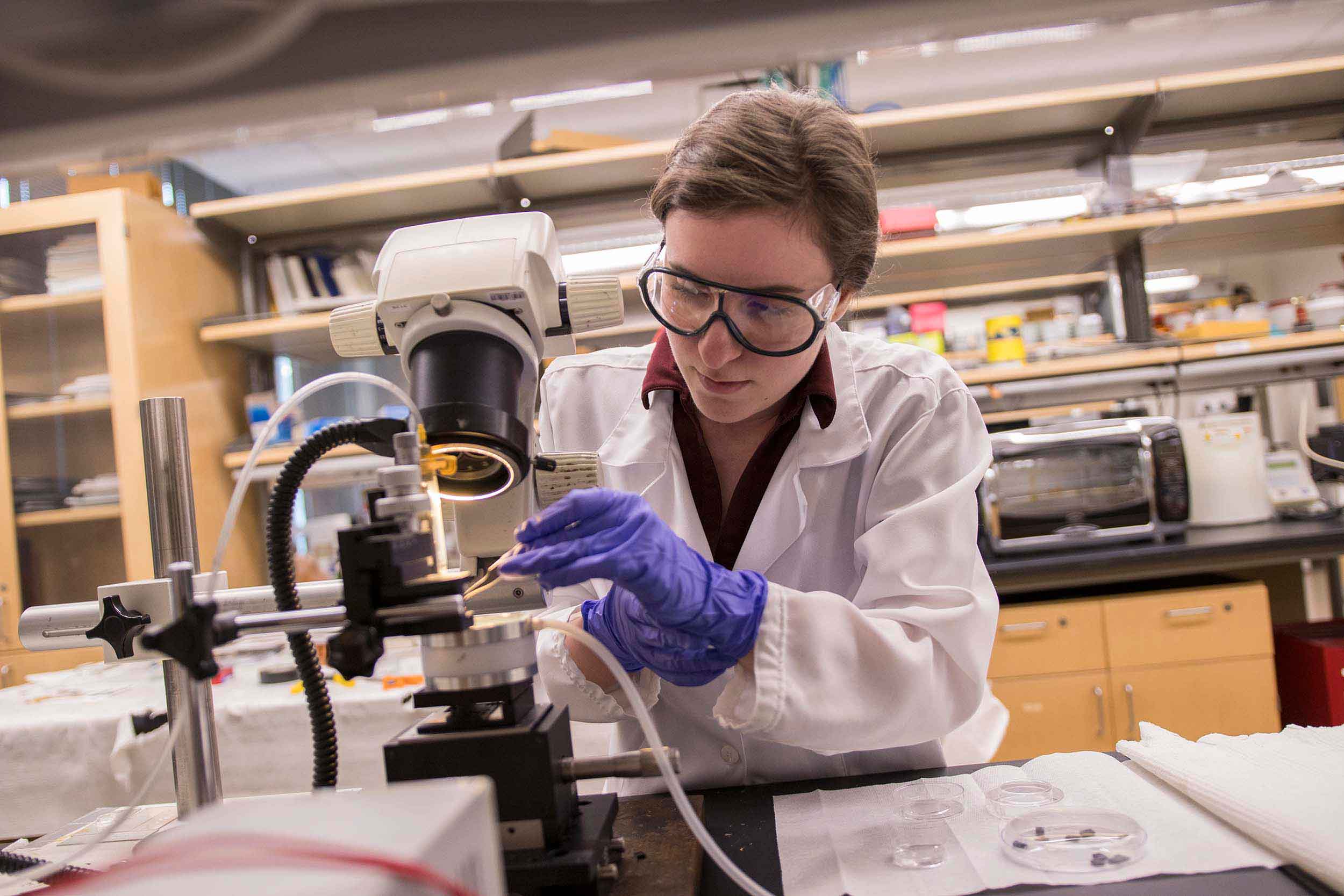
School of Biological and Health Systems Engineering
In ASU’s School of Biological and Health Systems Engineering (SBHSE), you will learn to apply the principles of engineering and the life sciences to improve human health. You’ll engage in research that’s making a difference today, working alongside our world-class faculty in state-of-the-art labs.
Your ASU biomedical engineering degree will prepare you to work in some of the fastest growing career fields. Whether you want to start a company, discover new therapies, create engineered gene networks, research brain-machine interfaces, develop virtual reality-based rehabilitation engines or grow new organs, you can start your journey at ASU with our biomedical engineering degree.
| Program | Location | ASU Degree Page |
|---|---|---|
Biomedical engineering, BSEStudents may choose a concentration:
Biomedical engineering degree video ASU Online biomedical engineering page | Tempe campus Online |
| Degree program |
|---|
Biomedical engineering, BSETempe campus Online Students may choose a concentration: Biomedical engineering (biological devices), BSEInfo video, biomedical engineering ASU degree page, biological devices concentration Biomedical engineering (biomedical devices), BSEInfo video, biomedical engineering ASU degree page, biomedical devices concentration
|

School of Computing and Augmented Intelligence
The School of Computing and Augmented Intelligence (SCAI) prepares the next generation of innovators in the fields of computer science, computer systems engineering, engineering management, informatics and software engineering.
You will gain knowledge and skills to address some of the greatest challenges faced by an increasingly digital society, such as how to create reliable and secure information systems that are the backbone of modern industry and how to collect, manage and convert data into usable information.
| Program | Location | ASU Degree Page |
|---|---|---|
Computer science, BAStudents may choose a concentration:
| West valley campus | |
Computer science, BSStudents may choose a concentration:
| Tempe campus Online | |
Computer science and artificial intelligence, AS**Only for accepted U.S. Naval Community College students. | Online | ASU degree page |
Computer systems engineering, BSEStudents may choose a concentration: Cybersecurity | Tempe campus | |
Engineering management, BSEASU Online engineering management page | Tempe campus Online | |
Industrial engineering, BSE | Tempe campus | ASU degree page |
Informatics, BS | Tempe campus | ASU degree page |
Software engineering, BSASU Online software engineering page | Polytechnic campus Online |
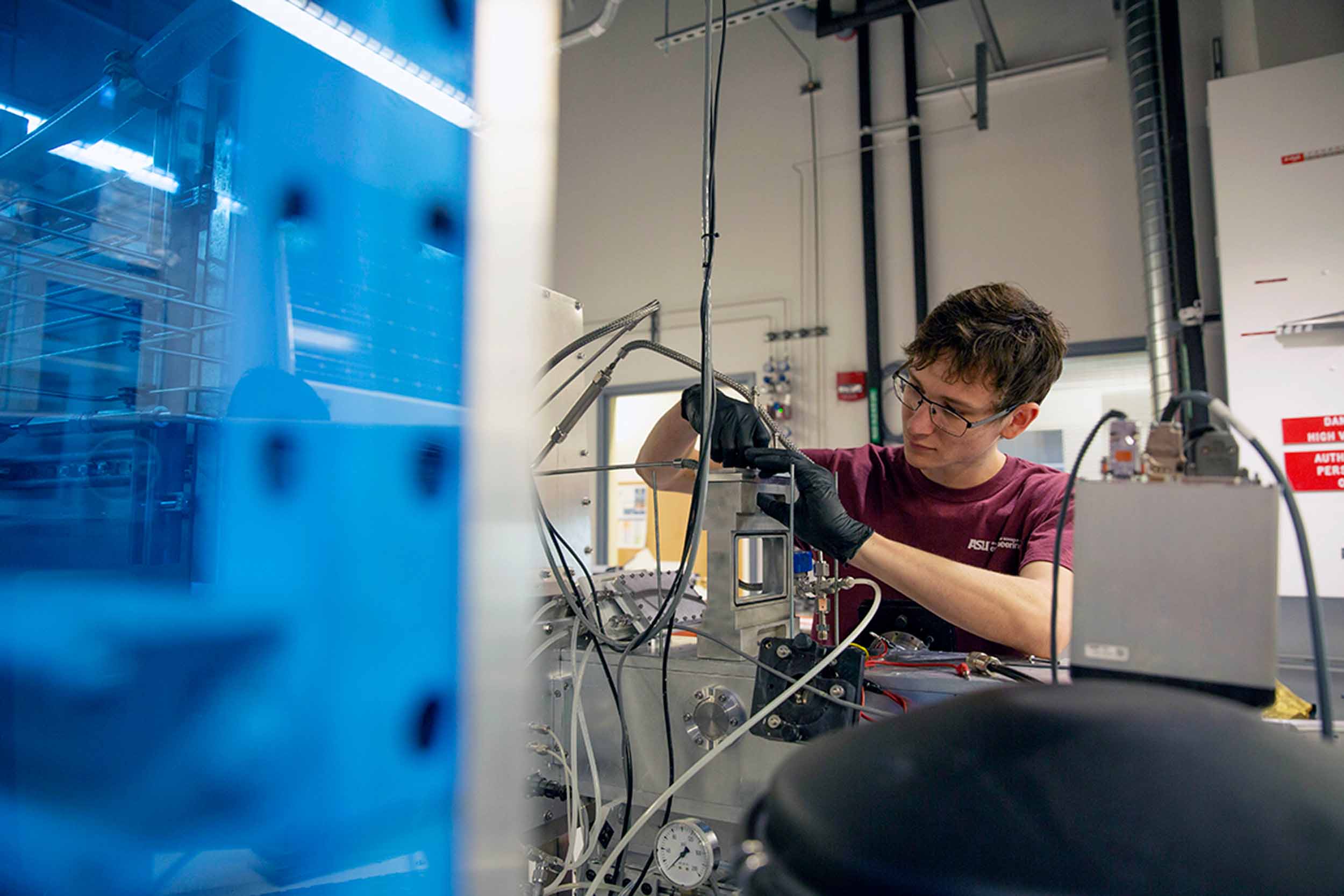
School of Electrical, Computer and Energy Engineering
ASU’s School of Electrical, Computer and Energy Engineering (ECEE) prepares students to create new technologies by combining the laws of electricity and principles of engineering. You’ll learn to design solutions that will benefit the world — from entertainment and communication to health care and the environment.
Our dynamic electrical engineering curriculum provides you the opportunity to gain hands-on experience understanding problems, creating models and testing solutions for optimal efficiency for electronic products and parts.
| Program | Location | ASU Degree Page |
|---|---|---|
Electrical engineering, BSEStudents may choose a concentration: Electric power and energy ASU Online electrical engineering page ASU Online electrical engineering (electric power and energy) page | Tempe campus Online |
| Degree programs |
|---|
Electrical engineering, BSETempe campus Online ASU degree page Students may choose a concentration: • Electric power and energy Electrical engineering (electric power and energy), BSEASU degree page, electric power and energy concentration
|
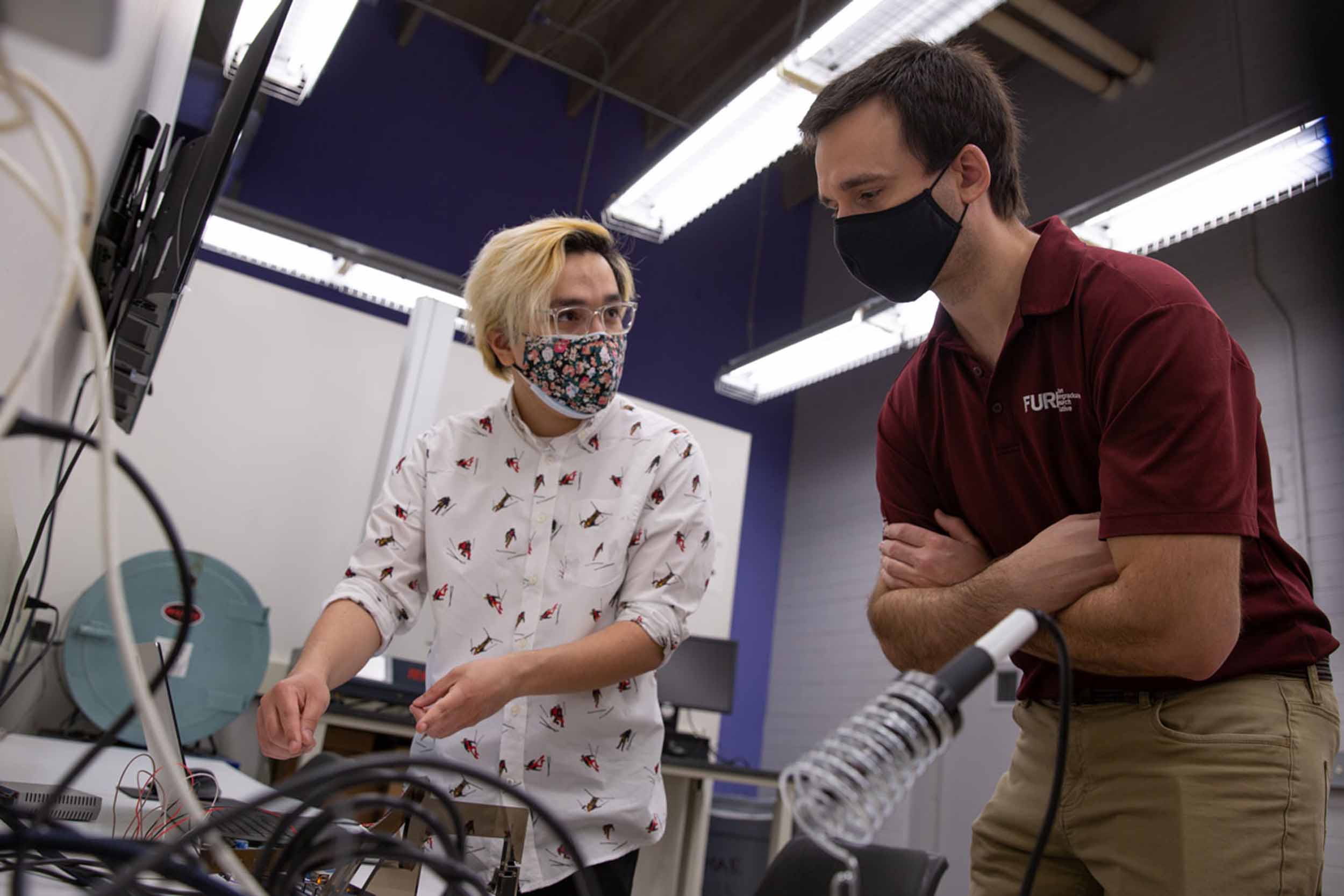
School for Engineering of Matter, Transport and Energy
Your studies in ASU’s School for Engineering of Matter, Transport and Energy (SEMTE) will prepare you to use fundamental physics, thermodynamics, structural mechanics and control systems to develop new technologies.
You’ll learn to transform matter and energy into resources and products for use in everyday life; use computational tools to design aircraft and spacecraft; and improve the properties and performance of materials for a variety of industries.
| Program | Location | ASU Degree Page |
|---|---|---|
Aerospace engineering, BSEStudents must choose a concentration:
| Tempe campus | |
Chemical engineering, BSE | Tempe campus | ASU degree page |
Materials science and engineering, BSE | Tempe campus | ASU degree page |
Mechanical engineering, BSEStudents may choose a concentration:
| Tempe campus Online |
| Degree programs |
|---|
Aerospace engineering, BSETempe campus (all concentrations) Students must choose a concentration: • Aeronautics • Astronautics • Autonomous vehicle systems Aerospace engineering (aeronautics), BSEASU degree page, aeronautics concentration Aerospace engineering (astronautics), BSEASU degree page, astronautics concentration Aerospace engineering (autonomous vehicle systems), BSEASU degree page, autonomous vehicle systems concentration
|
Chemical engineering, BSETempe campus ASU degree page
|
Materials science and engineering, BSETempe campus ASU degree page
|
Mechanical engineering, BSETempe campus Online Students may choose a concentration (Tempe campus only): • Computational mechanics • Energy and environment ASU degree page Mechanical engineering (computational mechanics), BSEASU degree page, computational mechanics concentration Mechanical engineering (energy and environment), BSEASU degree page, energy and environment concentration
|

School of Integrated Engineering
The School of Integrated Engineering (SIE) is the newest of the Fulton Schools and is located at the West valley campus. Brand new bachelor’s degrees are being offered beginning in the Fall of 2024. Learn more about these unique programs:
Also on the ASU West Valley campus, check out our Computer Science BA, a bachelor’s degree program from the School of Computing and Augmented Intelligence.
Admissions requirements | Apply
Contact
School of Integrated Engineering
480-965-2272
| Program | Location | ASU Degree Page |
|---|---|---|
Engineering science, BSStudents must choose a concentration:
| West Valley campus |
| Degree programs |
|---|
Engineering science, BSWest Valley campus (all concentrations) Students must choose a concentration: • Business • Microelectronics Engineering science (business), BSASU degree page, business concentration Engineering science (microelectronics), BSASU degree page, microelectronics concentration
|
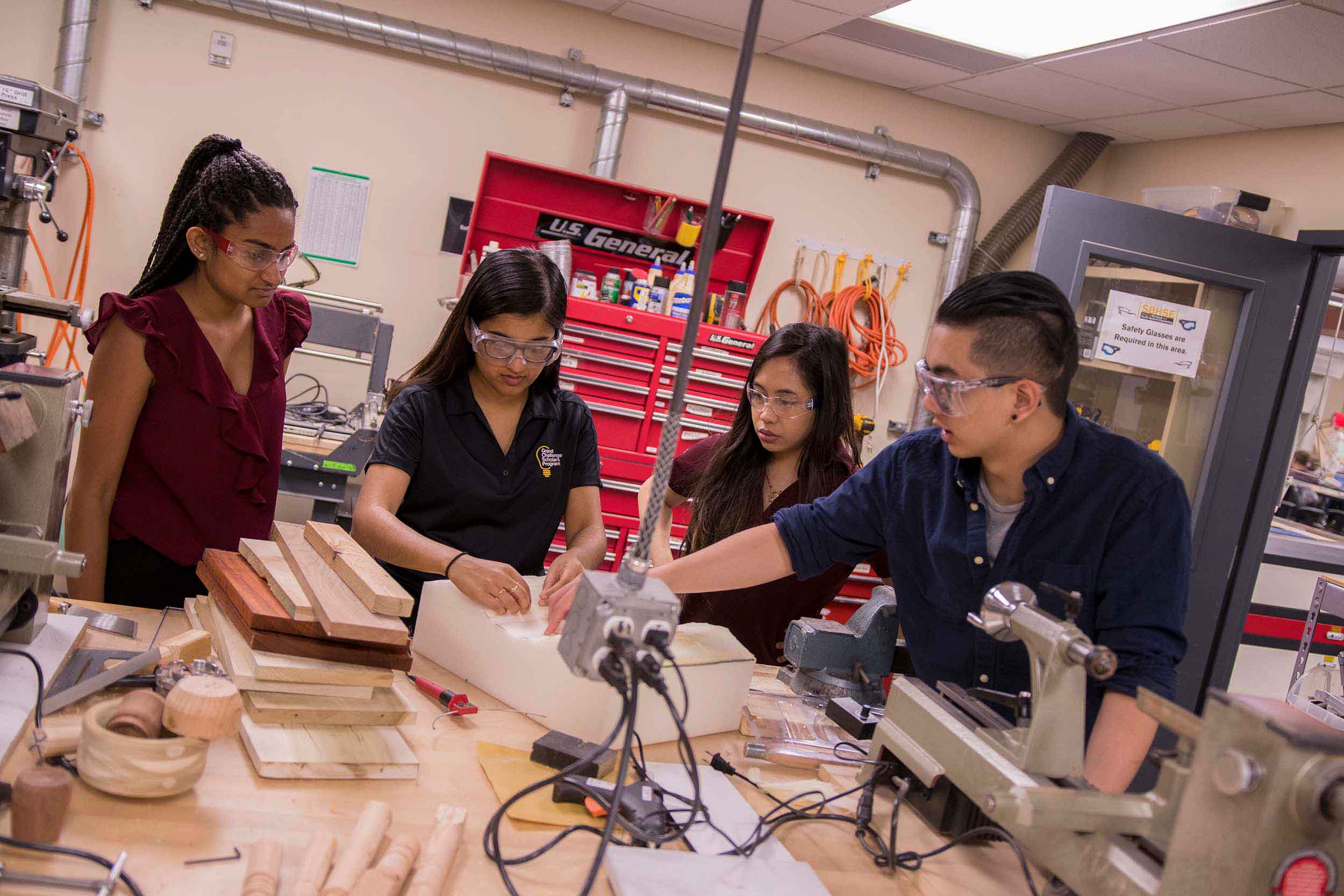
School of Manufacturing Systems and Networks
The School of Manufacturing Systems and Networks (MSN) is located at the Polytechnic campus. Degrees offered through MSN prepare you to tackle the next generation of engineering challenges essential to sustaining global economic growth, strengthening supply chains and transforming manufacturing systems.
You will experience the MSN “real-world curriculum” and gain the skills needed to impact the future of work, industry 4.0, human-machine teaming and systems engineering.
With access to the research excellence of our faculty and industry partners, you will graduate career-ready — equipped with the tools you need to meet emerging societal needs.
| Program | Location | ASU Degree Page |
|---|---|---|
Manufacturing engineering, BS | Polytechnic campus | ASU degree page |
Manufacturing systems, BAS(for students who have completed an AAS degree) | Polytechnic campus | ASU degree page |
Robotics and autonomous systems, BSE | Polytechnic campus | ASU degree page |
| Degree Program |
|---|
Manufacturing engineering, BSPolytechnic campus ASU degree page
|
Manufacturing systems, BAS(for students who have completed an AAS degree) Polytechnic campus ASU degree page
|
Robotics and autonomous systems, BSEPolytechnic campus ASU degree page, Robotics and Autonomous Systems, BSE
|
School of Sustainable Engineering and the Built Environment
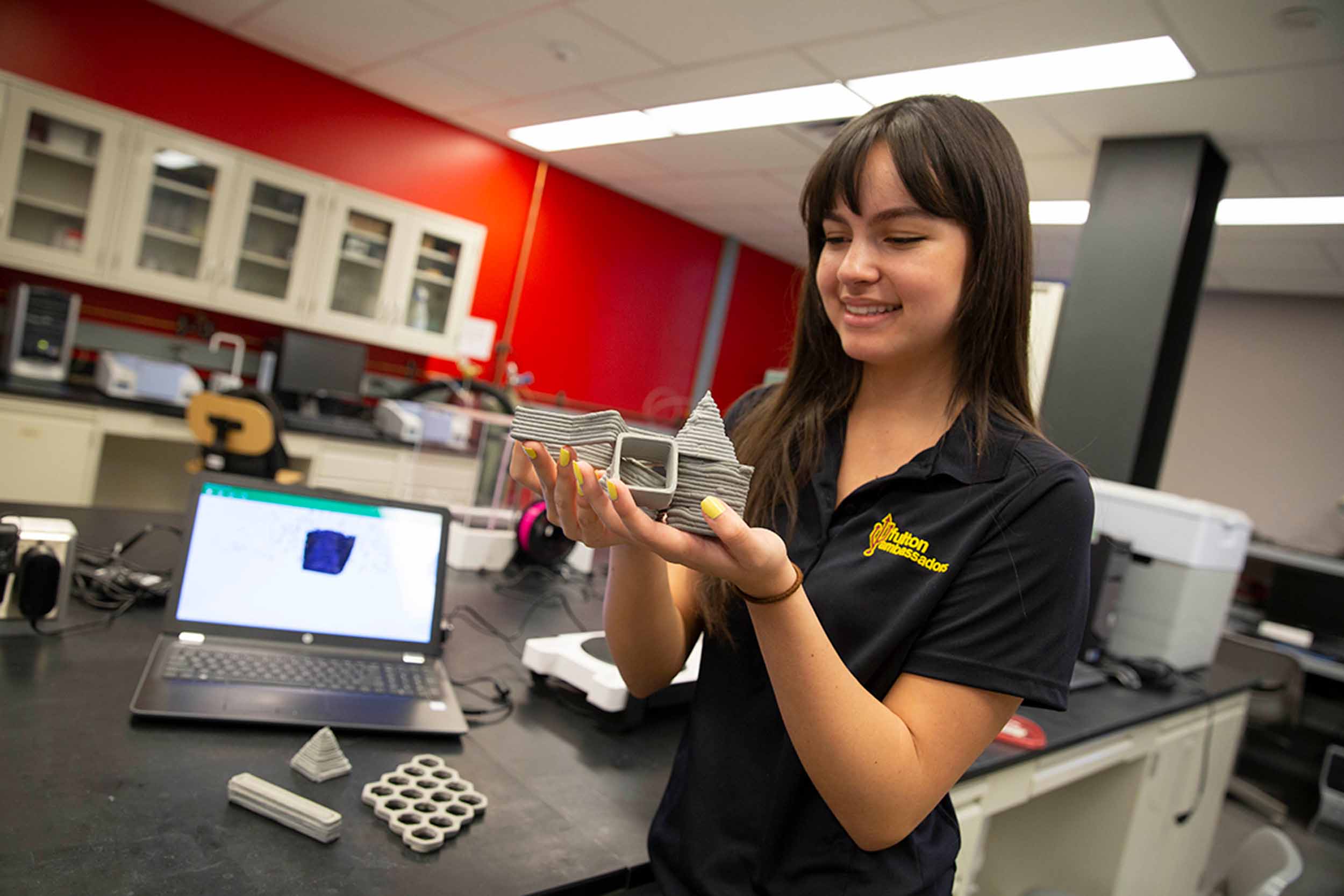
The School of Sustainable Engineering and the Built Environment (SSEBE) offers a unique blend of coursework in civil, environmental and construction engineering and construction management to prepare students for careers in the construction industry. You’ll learn to plan, design and implement projects in the built environment and incorporate sustainable engineering practices.
| Program | Location | ASU Degree Page |
|---|---|---|
Construction engineering, BSE | Tempe campus | ASU degree page |
Construction management and technology, BSASU Online construction management and technology page | Tempe campus Online | ASU degree page |
Environmental engineering, BSE | Tempe campus | ASU degree page |
Civil engineering, BSEStudents may choose a concentration:Sustainable engineering | Tempe campus |
| Degree programs |
|---|
Construction engineering, BSETempe campus ASU degree page
|
Construction management and technology, BSTempe campus ASU degree page
|
Environmental engineering, BSETempe campus ASU degree page
|
Civil engineering, BSETempe campus ASU degree page Students may choose a concentration: • sustainable engineering Civil engineering (sustainable engineering), BSETempe campus ASU degree page, sustainable engineering concentration
|
The Polytechnic School
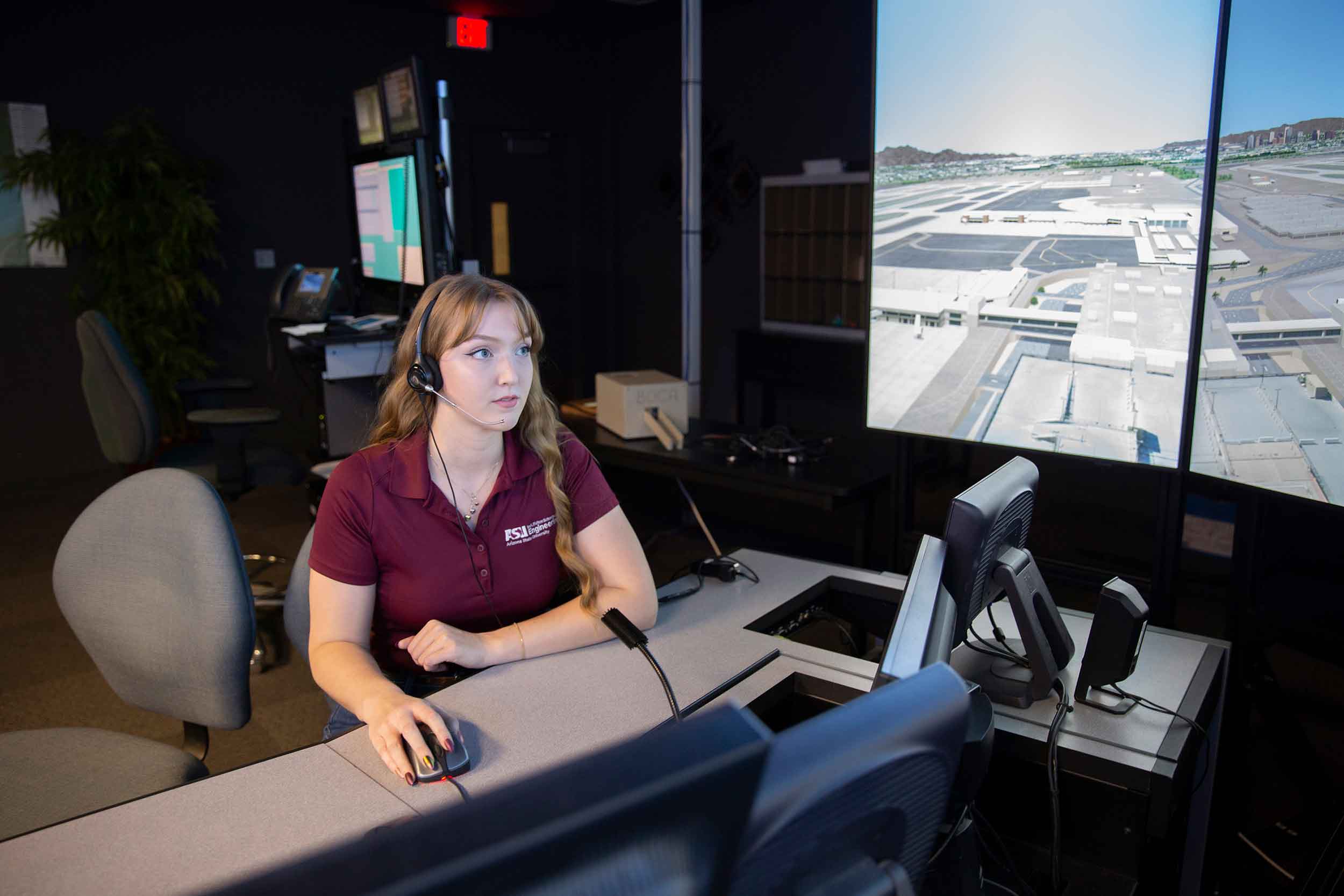
You can become an innovator that solves real-world problems by earning a degree at The Polytechnic School. The Polytechnic School degree programs follow hands-on, project-based curricula that provide knowledge and experience simultaneously.
Transfer student? Take your career to the next level by enrolling in one of our bachelor of applied science (BAS) degree options. Our BAS programs are your custom-designed pathway to a bachelor’s degree, including three fully online options.
The Polytechnic School is located on ASU’s Polytechnic campus, comprising 600 acres of beautiful desert arboretum near Mesa. You’ll enjoy a small-campus feel while getting your degree from ASU: the #1 school for innovation!
| Program | Location | ASU Degree Page |
|---|---|---|
Aeronautical management technology (Aviation), BSWhat is aeronautical management technology? Aviation. At ASU, we offer four aviation degree options under our aeronautical management technology program. Each concentration is unique. Hear directly from aviation students and advisors in The Fulton Schools Explores: Aviation Programs. Prefer to read about it? Download our Aviation program booklet. Students must choose a concentration: | Polytechnic campus | |
Applied science, BAS(for students who have completed an AAS degree) Students must choose a concentration: ASU Online graphic information technology BAS page ASU Online internet and web development BAS page ASU Online operations management BAS page | Polytechnic campus Online (some concentrations) | |
Engineering, BSEStudents must choose a concentration: | Polytechnic campus | |
Environmental and resource management, BS | Polytechnic campus | ASU degree page |
Graphic information technology, BSStudents may choose a concentration: ASU Online graphic information technology page ASU Online graphic information technology (user experience) page ASU Online graphic information technology (full-stack web development) page | Polytechnic campus Online |
|
Human systems engineering, BSStudents may choose a concentration: User experience ASU Online human systems engineering page ASU Online human systems engineering (user experience) page | Polytechnic campus Online | |
Information technology, BSStudents may choose a concentration:
ASU Online information technology page ASU Online information technology (cybersecurity) page ASU Online information technology (networking) page | Polytechnic campus Online | |
Technological entrepreneurship and management, BSASU Online technological entrepreneurship and management page | Polytechnic campus Online | |
User experience, BSASU Online user experience, BS page | Polytechnic campus Online |
| Degree programs |
|---|
Aeronautical management technology (Aviation), BSPolytechnic campus What is aeronautical management technology? Aviation. At ASU, we offer four aviation degree options under our aeronautical management technology program. Each concentration is unique. Hear directly from aviation students and advisors in The Fulton Schools Explores: Aviation Programs. Prefer to read about it? Download our Aviation program booklet. Students must choose a concentration: • Air traffic management • Air transportation management • Professional flight • Unmanned aerial systems Aviation (air traffic management), BSASU degree page, air traffic management concentration Aviation (air transportation management), BSASU degree page, air transportation management concentration Aviation (professional flight), BSASU degree page, professional flight concentration Aviation (unmanned aerial systems), BSASU degree page, unmanned aerial systems concentration
|
Applied science, BAS |
Engineering, BSEPolytechnic campus (all concentrations) Students must choose a concentration: • Automotive systems • Clean energy systems • Electrical systems • Mechanical engineering systems • Robotics ASU degree page Engineering (automotive systems), BSEASU degree page, automotive systems concentration Engineering (clean energy systems), BSEASU degree page, clean energy systems concentration Engineering (electrical systems), BSEASU degree page, electrical systems concentration Engineering (mechanical engineering systems), BSEASU degree page, mechanical engineering systems concentration Engineering (robotics), BSEASU degree page, robotics concentration
|
Environmental and resource management, BSPolytechnic campus ASU degree page
|
Graphic information technology, BSPolytechnic campus (all degree options) Online (all degree options) ASU degree page Students may choose a concentration: • User experience • Full-stack web development Graphic Information Technology (user experience), BSASU degree page, user experience concentration Graphic information technology (full-stack web development), BSASU degree page, full-stack web development concentration
|
Human systems engineering, BSPolytechnic campus (all degree options) Online (all degree options) ASU degree page Students may choose a concentration: • User experience Human systems engineering (user experience), BSASU degree page, user experience concentration
|
Information technology, BSPolytechnic campus Online ASU degree page Students may choose a concentration: • Cybersecurity • Networking Information technology (cybersecurity), BSASU degree page, cybersecurity concentration Information technology (networking), BSASU degree page, networking concentration
|
Technological entrepreneurship and management, BSPolytechnic campus Online ASU degree page
|
User experience, BSPolytechnic campus Online ASU degree page
|
Have you heard of ASU Local?
The Fulton Schools now offer several degree programs through ASU Local. ASU Local brings the power of a world-class bachelor’s degree to your neighborhood.
With convenient locations in downtown Los Angeles and Washington D.C., ASU Local students benefit from in-person support while pursuing an ASU Online degree.
ASU Local keeps you in your community so you can grow and give back, right in the heart of your world.
Accreditation and state licensure
The majority of the Fulton Schools degrees are accredited by ABET, the American Council for Construction Education and the Aviation Accreditation Board International according to discipline. Learn about all of our accredited degree programs.
In addition, ASU offers programs that lead to professional licensure with the state of Arizona and may allow graduates to be eligible for licensure in other states.
Students should check the professional licensure list for the Ira A. Fulton Schools of Engineering to determine if this program meets requirements in their state. Students should note that not all programs within the Fulton Schools lead to professional licensure.